

In every warehouse, factory, or distribution center, the movement of goods is a critical operational task. Whether you’re transferring heavy parts, organizing small items for assembly, or managing order picking, the right logistics trolley can significantly impact your efficiency, safety, and bottom line. However, with so many types of industrial logistics trolleys available on the market, choosing the right one can be a challenge.
This article provides a comprehensive guide to help operations managers and warehouse planners make informed decisions when selecting logistics trolleys for industrial use, ensuring optimal performance and long-term value.
Types of Industrial Logistics Trolleys
Understanding the different types helps in identifying what suits your operations:
1. Platform Trolley
Flat deck for bulk item transport
Used in general warehouse operations
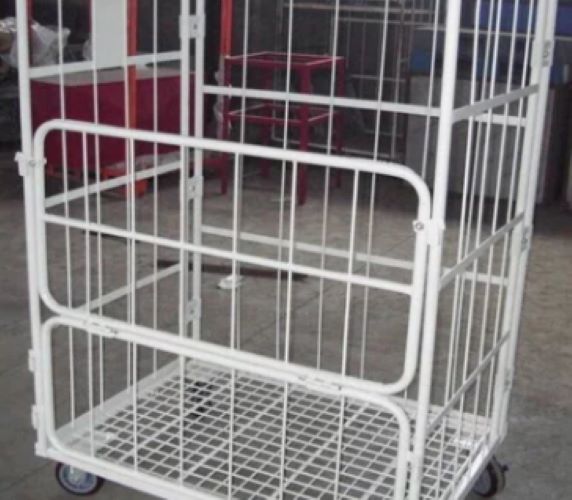
2. Cage Trolley
Enclosed with wire mesh or panels
Ideal for high-value or loose goods
3. Order Picking Trolley
Includes shelves or bins
Used in e-commerce and distribution centers
4. Folding Trolley
Space-saving design
Suitable for mobile or low-volume tasks
5. Towable Trolley
Designed for tugger train systems
Enables batch movement of materials in production facilities
6. Custom Industrial Trolley
Tailored to specific tools, components, or production lines
Can be integrated with AGV or automation systems
Tips for Ongoing Trolley Maintenance
To extend your trolley’s lifespan:
Perform regular wheel lubrication and inspection
Check for loose bolts, welds, or structural fatigue
Replace damaged handles or grips
Clean regularly, especially in dusty or greasy environments
Train staff on proper loading and movement techniques
Proactive care ensures performance and safety over time.
Choosing the right logistics trolley is not just about moving items from point A to B—it’s about optimizing your entire material handling ecosystem. Whether you operate a small workshop or a large industrial plant, the right trolley will reduce risk, increase efficiency, and support your workforce.
With a clear understanding of application needs, load requirements, materials, and safety considerations, businesses can confidently select trolleys that deliver lasting value and support scalable operations.